
FREE SHIPPING
within mainland USA
within mainland USA
Home ▸ Teak Outdoor Furniture ▸ By Location ▸ Kiawah Island, South Carolina
Outdoor furniture on Kiawah Island lives in a distinctly coastal environment: warm humidity, frequent moisture, salt-laden air, strong sun, and seasonal storms all influence how materials age outdoors. At the same time, oceanfront terraces, screened porches, pool decks, marsh-view patios, and vacation homes are meant to be enjoyed rather than constantly maintained. Premium Grade A teak is especially well suited to that combination, offering a natural material with the durability and understated appearance that fit Kiawah's Lowcountry setting.

Kiawah Island is not simply a warm-weather market. It is a barrier-island environment where moisture, salt exposure, strong sun, rain, wind, and long periods of outdoor use all influence how furniture performs. A material that works perfectly well on a protected inland patio may require more attention when placed on an exposed ocean-facing terrace or beside a pool near the coast.
Humidity is one of the first things we would consider when furnishing a Kiawah property. Furniture may remain damp longer after rain, particularly beneath tree cover, on screened porches, or in shaded areas surrounded by maritime vegetation. Materials that repeatedly absorb moisture and dry unevenly can demand substantially more attention over time.
This is one reason furniture selection should be based on more than whether a piece is labeled “outdoor.” Premium materials such as high-quality aluminum, certain synthetic products, and Grade A teak can all be legitimate coastal choices. The tradeoff is largely aesthetic, weight, feel, and ownership preference. Teak appeals especially to homeowners who want natural wood without choosing a material that depends on paint or artificial stain for outdoor durability.
Ocean proximity adds another consideration. Salt and airborne coastal residue accumulate on furniture surfaces, hardware, cushions, and tables. The practical lesson is not that every piece near the beach will rapidly deteriorate; it is that complicated finishes and high-maintenance surfaces create more ownership work than they might inland.
For a Kiawah home, we generally favor materials that can be periodically cleaned without requiring a complicated refinishing routine. Grade A teak's natural oils, dense grain, and outdoor weather resistance make it well suited to that approach. Royal Teak and Anderson Teak pieces also use stainless-steel hardware, while Verandis Teak uses brass hardware.
A memorable rule for Kiawah is this: choose furniture for the wettest, most exposed place it will actually live—not for the weather forecast for the island. A covered porch beneath live oaks, a sunny pool terrace, and an ocean-facing deck can behave like three different furniture environments even when they are only yards apart.
Covered areas may receive less direct rain but remain shaded and humid. Pool decks receive more sun and splashing. Ocean- and marsh-facing terraces may experience more wind-driven moisture. This is why furnishing an island home room-by-room usually produces better results than ordering one matching collection for every outdoor space.
Kiawah and the surrounding South Carolina Lowcountry are exposed to tropical weather, particularly later in the warm season. Furniture material is only part of the planning problem. Cushions, umbrellas, accessories, and lightweight objects need a practical place to go when severe weather approaches.
Heavier teak has an advantage over very lightweight furniture in everyday breezy conditions, but no outdoor furniture should be treated as storm-proof. For a second home or rental property, we would place particular value on a simple storm-preparation plan: know what stays outside, what gets secured, and where cushions and portable accessories can be moved quickly.
Once Kiawah's coastal conditions are considered, premium Grade A teak becomes a strong candidate because several of its natural characteristics solve the actual ownership problems of a humid island property. It is not the only premium outdoor material that can work here, but it offers an unusually useful combination of natural appearance, moisture resistance, structural stability, weight, and flexible maintenance.
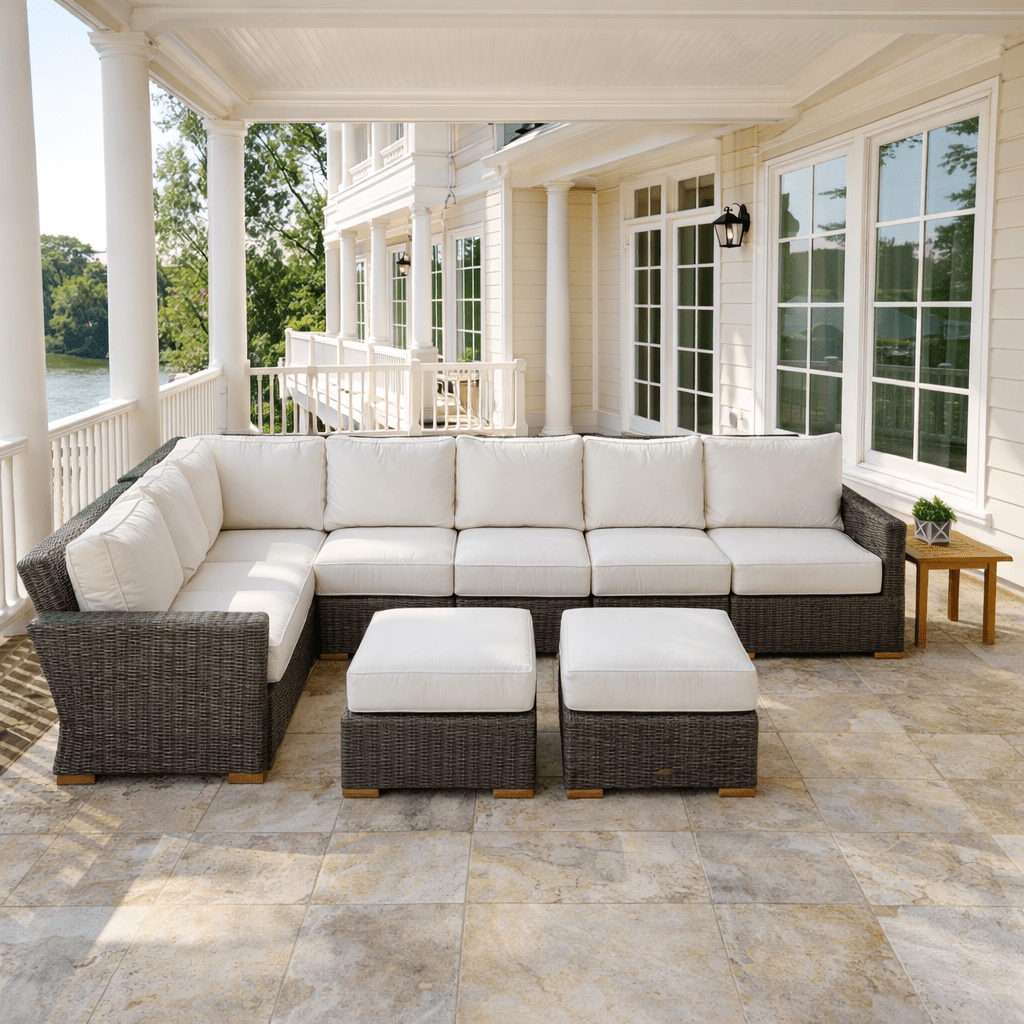 Grade A teak has naturally high oil content and a dense grain structure. Those properties contribute to resistance to moisture, rot, insects, and warping—important characteristics where furniture encounters humid air, wet weather, and repeated changes between rain and sun.
The distinction between teak and less durable outdoor woods matters here. A homeowner who wants genuine wood furniture should consider not only how attractive the material looks when new, but whether its durability depends on repeatedly maintaining a surface coating. Teak does not require artificial stain for durability.
Kiawah furniture can move through a familiar cycle: humid morning, afternoon sun, passing rain, another period of drying, then overnight moisture. Teak is designed for year-round outdoor use and withstands rain, sun exposure, and temperature fluctuations. Its structural stability is especially useful when the furniture will remain outside rather than being routinely moved into storage.
That does not mean teak stays cosmetically unchanged. Natural teak gradually weathers from its original warm color toward a silver-gray patina. Some homeowners consider that part of the appeal, particularly with weathered coastal architecture. Others prefer the original tone and can use appropriate teak-care products to maintain it.
One of teak's strongest fits for Kiawah is not simply durability; it is maintenance flexibility. Owners can leave unfinished teak untreated and allow it to weather naturally, or maintain the original appearance with optional sealing or oiling. Protective treatments are not required for the wood to be durable outdoors.
This can be particularly valuable in vacation and second homes. Furniture that needs frequent refinishing can turn an outdoor retreat into another maintenance schedule. Teak still needs cleaning, especially in a humid coastal environment, but owners have considerable freedom in deciding how much cosmetic maintenance they want to perform.
Premium teak carries a higher initial cost than many mass-market alternatives. The appropriate comparison is therefore not simply today's purchase price. Grade A teak furniture can last for decades, making it more sensible to compare lifetime ownership, replacement frequency, maintenance expectations, and how long the furniture is likely to remain appropriate for the property.
For an established Kiawah home where patios, decks, and porches are permanent parts of the architecture, that longer time horizon makes sense. Teak's natural appearance also works across traditional Lowcountry, coastal transitional, and cleaner contemporary settings, reducing the likelihood that the material itself feels tied to a short-lived design trend.
| Kiawah Island Challenge | Why Premium Grade A Teak Performs Well |
|---|---|
| High humidity | Dense grain and natural oils contribute to moisture and rot resistance. |
| Frequent moisture | Designed for year-round outdoor exposure to rain and changing weather. |
| Salt-air environment | Durable natural wood can be cleaned without relying on paint for protection. |
| Strong sun | Handles sun exposure and naturally weathers toward a silver-gray patina. |
| Temperature changes | Teak is structurally stable and resistant to warping. |
| Long outdoor season | Long service life suits furniture that receives frequent use. |
| Coastal pests | Teak is naturally resistant to insects. |
| Vacation-home ownership | Can weather naturally without mandatory sealing or staining. |
For most Kiawah properties, we would not begin by choosing a collection. We would begin by mapping the outdoor rooms: where meals happen, where guests linger, where the strongest views are, which areas are covered, and which spaces receive the most direct coastal exposure. Then we would furnish each zone according to how it is actually used.
If the home regularly hosts children, grandchildren, friends, or vacation guests, we would make the dining area the anchor. A teak outdoor dining set for six or eight may be sufficient for many homes; larger properties designed around extended-family visits may justify seating for ten or more.
An extendable teak dining table is particularly useful when occupancy changes from quiet weekdays to full-house weekends. The benefit is not merely extra seats. It allows the everyday patio to remain appropriately scaled rather than being dominated by a large table that is needed only occasionally.
One of the most common layout improvements we would make is separating dining from lounging. After dinner, people naturally move toward deeper chairs and sofas. A dedicated teak lounge set with a coffee table gives the patio a second purpose without forcing dining chairs to do double duty.
On larger terraces, think of furniture as architecture. The backs of a sofa or sectional can subtly define the conversation zone without building walls or interrupting views. Keep traffic paths clear between the house, pool, boardwalk, stairs, and outdoor kitchen.
Ocean, marsh, lagoon, and golf views change how we would orient seating. Instead of automatically pointing every chair toward a coffee table, arrange at least part of the seating so people can comfortably look outward. Teak swivel chairs are especially useful where guests alternate between a conversation group and a water or landscape view.
For a quiet secondary location—a garden edge, shaded path, or landscape overlook—a bench can be more effective than another full furniture grouping. It creates a destination without visually filling the landscape.
If the property includes a pool, keep dedicated lounging there rather than borrowing chairs from other parts of the patio. Adjustable teak chaise loungers paired with compact side tables create a simple layout that works for sunning, reading, watching children, or drying off after a swim.
We would also resist the temptation to fill every available linear foot with furniture. Kiawah's strongest outdoor spaces often succeed because architecture, vegetation, dunes, marsh, and water remain visually important. Furniture should support those surroundings rather than overwhelm them.
Begin with the space that receives the most use. Frequent hosts should usually start with dining sets or extendable tables; pool-oriented homes may get more value from chaise lounges; and properties centered on long afternoons with family and friends may prioritize deep seating or sectionals. Once the primary outdoor room is established, add complementary pieces rather than trying to furnish every porch, terrace, and garden area at once.
Outdoor life on Kiawah is closely tied to the island itself. The beach, marsh, maritime forest, golf landscape, pools, porches, and terraces encourage homeowners to use outdoor areas as real living spaces rather than occasional extensions of the house. That means furniture needs to work for both ordinary mornings and the weeks when a second home fills with family and guests.
A Kiawah vacation home may feel almost private one weekend and function as a gathering place the next. That variability should influence furniture more than simply buying the maximum number of seats that can physically fit.
Expandable dining surfaces, movable individual chairs, and several distinct seating zones give the property flexibility. A group of eight does not necessarily need an eight-seat sofa arrangement; people tend to break naturally into smaller conversations. Multiple lounge chairs, a sofa, and a pair of swivel chairs often support real gatherings better than one enormous seating piece.
Covered and screened porches deserve the same planning attention as an indoor family room. They may serve breakfast in the morning, offer shade during hot afternoons, and become a conversation space after dark. Because these areas are protected but still exposed to humidity and wind-driven moisture, true outdoor furniture remains the practical choice.
Deep seating works especially well here. Cushioned teak club chairs, sofas, loveseats, and sectionals can provide the comfort expected from an interior room while retaining an outdoor-appropriate frame.
Pool decks often experience shorter, more casual uses than dining terraces. People come and go wet, carry drinks and towels, change positions with the sun, and need surfaces within easy reach. Chaise lounges and side tables generally provide more utility here than trying to recreate another full conversation set beside the water.
After a beach day, outdoor areas may also collect sand, moisture, towels, and personal items. Furniture layouts with uncluttered walking paths and a deliberate storage location make the transition from beach to house much easier.
Kiawah's coastal setting provides many opportunities for outdoor meals beyond the peak summer vacation period. Covered spaces are especially versatile because they reduce direct sun and make passing weather less disruptive. A well-planned dining area can therefore become one of the most frequently used spaces in the home rather than an occasional special-event setting.
Position dining close enough to the kitchen or outdoor cooking area that serving is convenient. On large properties, an attractive but inconveniently distant table often receives less use than expected.
Kiawah properties rarely need only one type of outdoor furniture. The most successful plans create a hierarchy: one primary gathering area, one purpose-built dining area, and then smaller destinations around the property. Teak works well across those different zones because the same natural material can move from a formal terrace to a relaxed pool deck without looking misplaced.
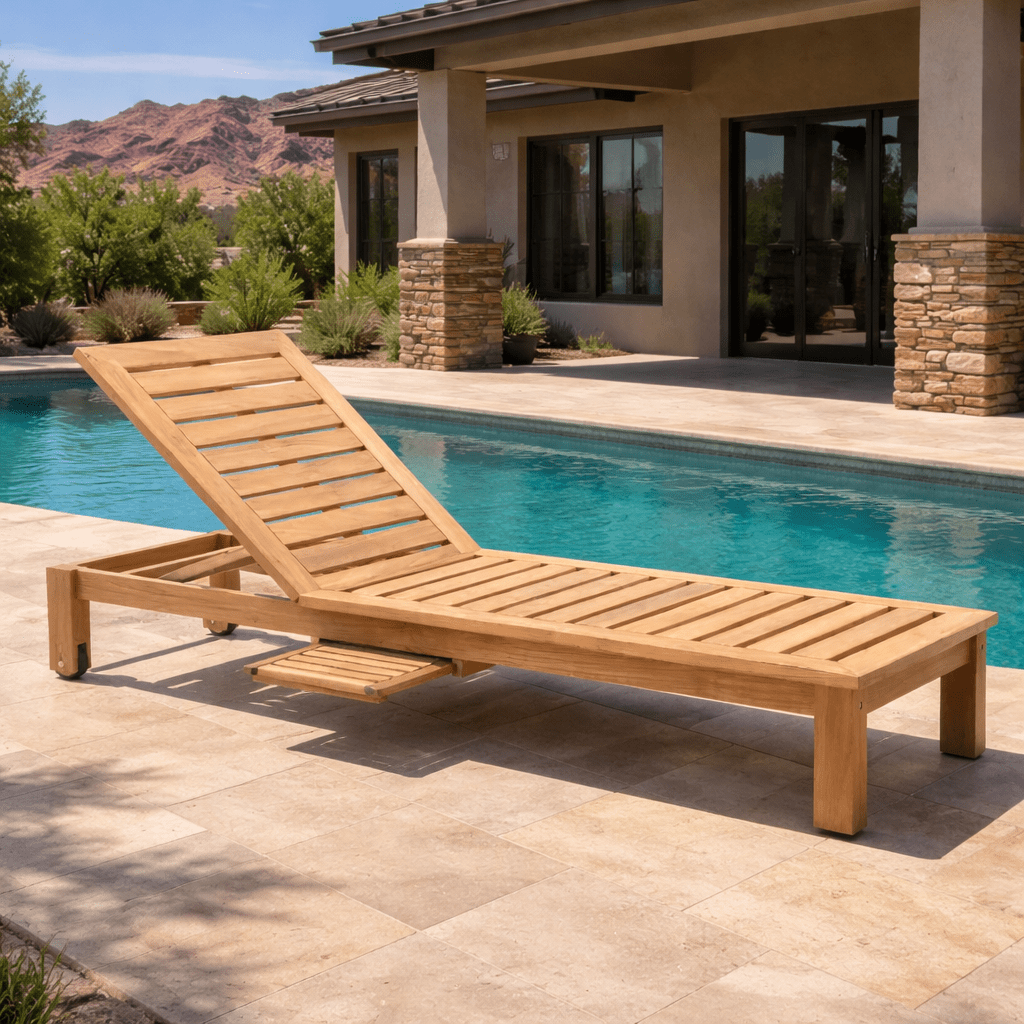 For broad terraces with water or marsh views, begin with the sightline. Deep seating should encourage conversation without creating a visual barricade. Sofas, loveseats, club chairs, and teak sectionals can all work; the correct choice depends on how often the group size changes.
A sectional is efficient when the terrace has a natural corner and regularly hosts groups. Separate chairs and sofas are more flexible where you want to reorient seating toward changing views, sunlight, or different gatherings.
For screened porches, we would prioritize comfort. Club chairs, swivel chairs, loveseats, and sofas turn the porch into a true living room. Royal Teak and many other TeakHQ patio-seating pieces include Sunbrella cushions, although cushion inclusion varies by product and should be checked on the individual listing.
Swivel seating has unusual value on Kiawah because a porch may face both the conversation group and a lagoon, marsh, garden, or fairway. Guests do not have to choose between participating in the room and enjoying the view.
For pools, use repeated elements rather than too many furniture categories. A clean row or pair of chaise lounges with side tables generally feels calmer and more resort-like than mixing several unrelated chair types.
Where space permits, place the pool conversation area separately from the lounging zone. This helps wet traffic stay near chaise lounges while giving dry seating a more comfortable location for drinks and longer conversations.
Kiawah homes that regularly host extended families should size dining furniture around realistic peak use. Six seats may be adequate for an everyday household but frustrating during holidays or shared vacation weeks. Eight- and ten-person sets work well for properties that regularly accommodate larger groups.
If those gatherings are intermittent, an extendable table is often the better planning solution. Pair it with dining chairs that can be moved or stored conveniently rather than surrounding an oversized table with empty seats most of the year.
Not every view needs a large patio. A teak garden bench under shade or facing a lagoon, marsh, fairway, or planted area can create one of the most used spots on the property. These secondary seating areas are particularly effective when they feel discovered rather than heavily furnished.
Kiawah's architecture ranges from traditional coastal and Lowcountry-influenced homes to updated Southern coastal designs and contemporary residences. Despite that variety, there is a consistent design lesson: outdoor furnishings generally look strongest when they complement the landscape instead of competing with it.
Kiawah is unusual among luxury markets because natural surroundings are often a central design feature rather than background scenery. Maritime vegetation, marsh, dunes, water, live oaks, and fairway views already provide substantial visual texture. Outdoor furniture usually benefits from being quieter.
Natural teak is well suited to that approach. Its wood grain adds warmth without needing ornate detailing, and its appearance can become even more subdued as unfinished teak ages to silver-gray. Homeowners who prefer stronger contrast can maintain more of the original golden teak color instead.
Traditional and transitional homes often suit dining tables, slatted seating, benches, rockers, and substantial lounge furniture. The warm wood provides an easy bridge between architectural materials and the surrounding landscape.
On a broad covered porch, symmetry can work well: a sofa centered between two chairs, or matching pairs of chairs oriented toward the landscape. For less formal porches, mixed seating creates a more relaxed feel without abandoning the consistency of one primary material.
Kiawah also includes more modern architecture with large expanses of glass and strong indoor-outdoor connections. Here we would choose teak pieces with simpler silhouettes and avoid filling every area with furniture.
The contrast between clean architecture and natural wood is useful. Teak provides warmth without requiring the entire outdoor scheme to become traditional. This is also where modular sectionals, streamlined dining pieces, and restrained cushion colors can be especially effective.
A common design mistake in scenic locations is treating outdoor furniture as if every patio were an indoor room. Indoors, seating often faces inward. On Kiawah, the strongest reason to be outside may be in the opposite direction.
Before placing anything, stand in the main doorway and identify the view you least want to obstruct. Then build the furniture plan around preserving that sightline. Lower-profile pieces near the foreground and movable or swivel seating farther to the sides can make the entire terrace feel larger.
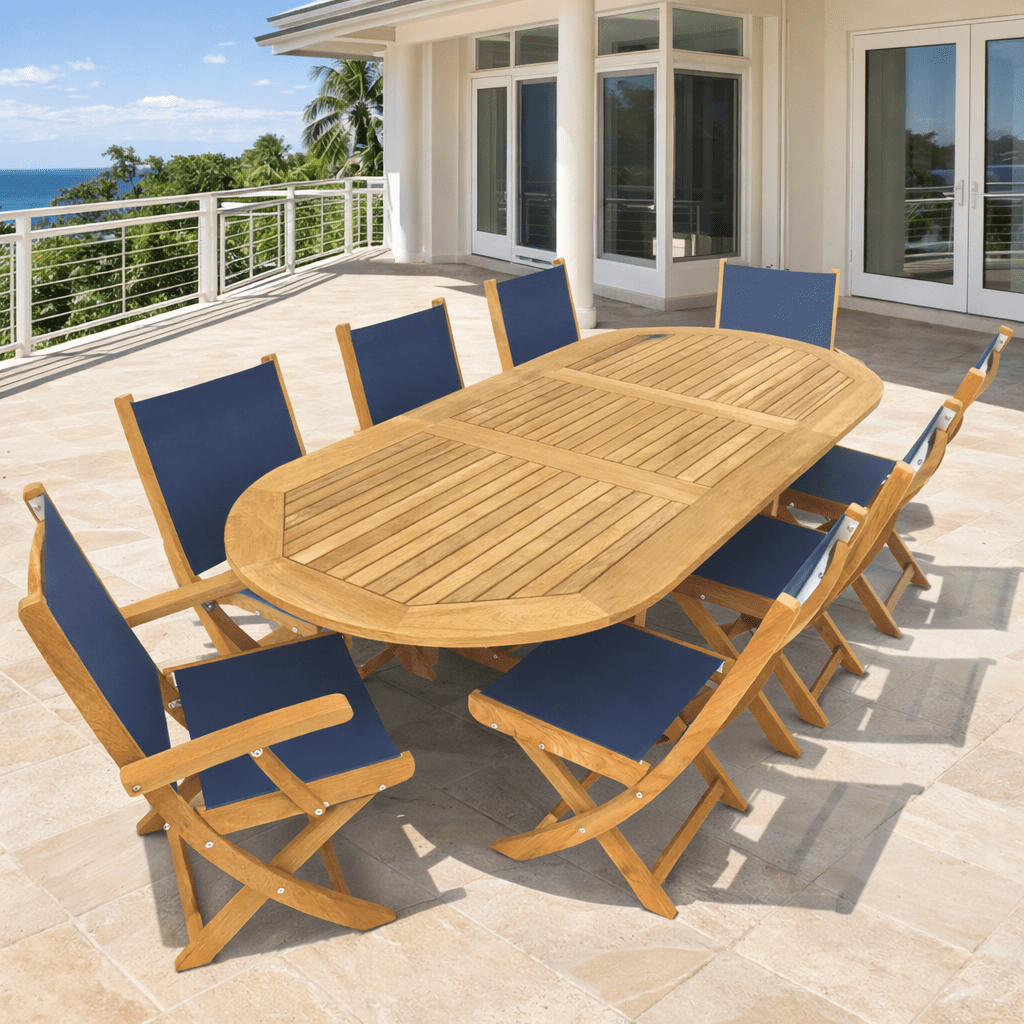 Furniture can look perfectly suited to a coastal property while being poorly suited to persistent humidity and moisture. Before choosing a style, determine what the frame is actually made from, what protects it outdoors, and what maintenance that protection requires.
Grade A teak avoids the need for artificial stain to provide durability and naturally resists moisture, rot, insects, and warping. That makes it easier to combine the aesthetic decision with the performance decision rather than treating them separately.
An ocean-facing deck, covered porch, shady garden, and pool terrace do not experience identical conditions or serve identical purposes. Buying matching sets for all of them may create visual consistency, but often produces less useful spaces.
Use dining furniture where meals really happen, deep seating where people linger, loungers where sun and water are central, and benches where the landscape deserves a quiet stopping point. Consistent teak construction can provide visual continuity without repeating the same configuration everywhere.
Shade is valuable in the Lowcountry, but shaded locations can dry more slowly after rain. Leaves, pollen, sand, and organic material can also collect around legs and beneath low furniture. Allow air circulation, keep drainage paths clear, and periodically clean beneath pieces rather than focusing only on visible tabletops and cushions.
Teak's moisture and rot resistance helps in these conditions, but good placement and routine cleaning still matter. Durable furniture is not a reason to create persistently dirty or damp conditions around it.
Second homes frequently have two very different occupancy levels: normal use and full-house use. Buying only for the first can leave patios undersized when children, grandchildren, friends, or multiple families arrive.
Instead of permanently oversizing every area, use expandable dining tables and complementary seating zones. The patio remains comfortable during quiet periods but can absorb a larger gathering when needed.
Storm preparation should be considered while buying furniture, not after severe weather is approaching. The overlooked issue is often not the furniture frame but everything surrounding it: cushions, umbrellas, accessories, trays, and other portable items.
Decide in advance where those items will go and who will handle them if the house is unoccupied. For vacation properties, simplicity is valuable. Fewer loose decorative pieces and an organized storage location make preparation much easier.
Teak does not need an elaborate maintenance program to function outdoors, but Kiawah's humid, salty environment rewards basic cleaning and good moisture management. The goal is not to protect teak from normal outdoor weathering; it is to prevent dirt, salt, organic debris, and neglected cushions from accumulating unnecessarily.
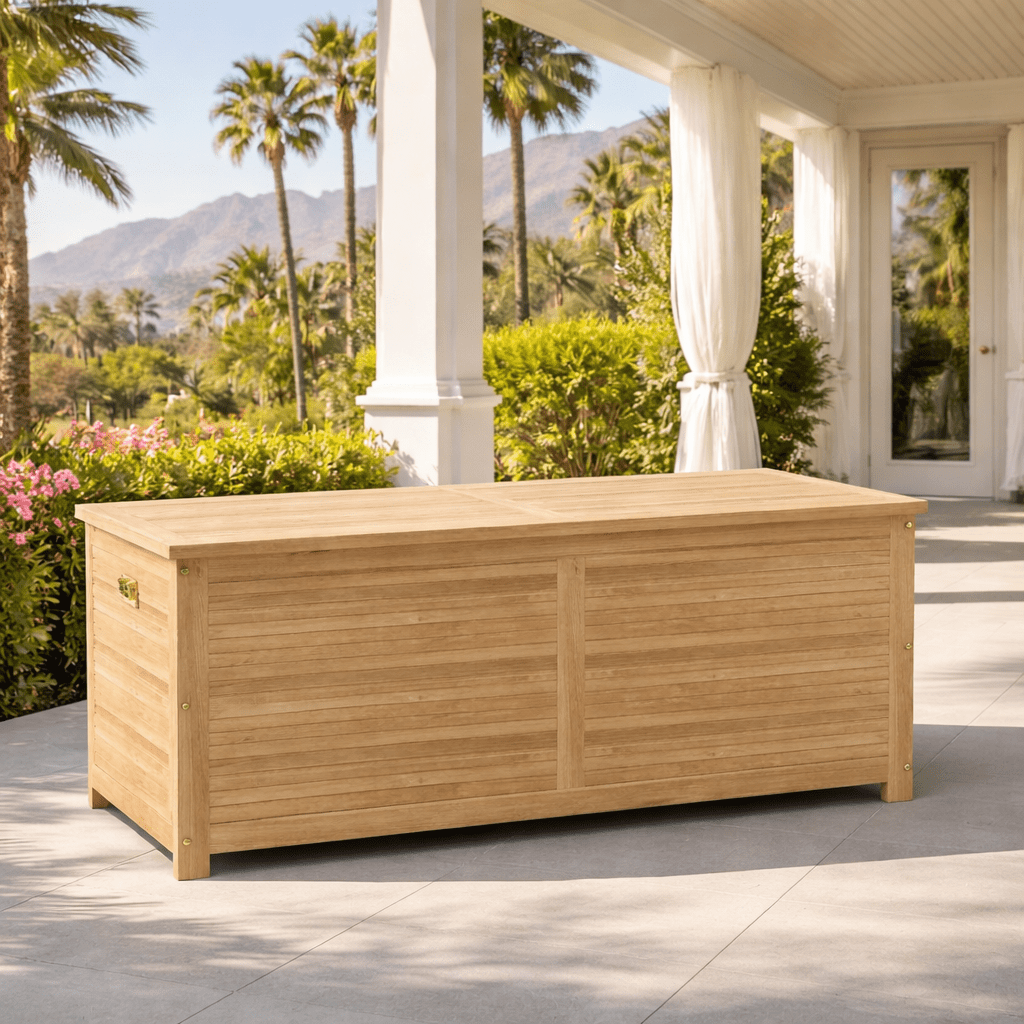 There is no single cleaning calendar that fits every Kiawah property. An exposed oceanfront terrace may accumulate residue faster than a sheltered screened porch. Inspect surfaces periodically and clean when salt, pollen, soil, spilled food, or organic debris becomes noticeable.
For homeowners who spend only part of the year on the island, a practical rhythm is to inspect and clean furniture when opening the home for a longer stay and again before an extended absence. High-use dining surfaces may naturally need attention more often.
Coastal residue should not simply be allowed to build indefinitely. Periodic cleaning helps keep surfaces pleasant to use and prevents grime from becoming harder to remove. Pay particular attention to horizontal surfaces, joints, hardware, chair arms, and pieces closest to open ocean exposure.
If furniture is positioned beneath trees, remove leaves and other organic material rather than letting it sit wet against the wood for long periods.
Teak is resistant to moisture and rot, but humid outdoor environments can still allow surface mold, mildew, or organic buildup on outdoor surfaces. Keep furniture clean, allow airflow, and avoid trapping prolonged dampness under accessories or covers.
This distinction matters: a material's natural rot resistance does not mean the entire furniture surface will remain visually spotless without cleaning. Coastal ownership is easier when routine surface cleaning is treated separately from structural maintenance.
Natural unfinished teak can be left untreated and will gradually develop a silver-gray patina. That weathered look often fits Kiawah's coastal palette extremely well and is the lowest-intervention approach.
If you prefer the warmer original teak appearance, optional sealing or oiling can be used. Choose that approach because you prefer the color—not because teak requires a coating to survive outdoors. TeakHQ offers teak care products for owners who want to clean or maintain the appearance of their furniture.
Many TeakHQ lounge pieces include Sunbrella cushions, while others offer cushions separately. Sunbrella fabric is weather-resistant, fade resistant, UV resistant, and water resistant, but cushions still benefit from sensible care.
During prolonged periods of non-use or threatening severe weather, storing cushions keeps them cleaner and reduces unnecessary exposure. A teak deck box can provide convenient everyday organization where appropriate, while storm preparation may require moving loose outdoor items to a more secure location.
Protective covers are optional for teak rather than necessary for durability. If you choose to cover furniture to reduce dirt or simplify off-season cleanup, avoid trapping damp debris beneath the cover. Furniture should be reasonably clean, and moisture should be able to dissipate rather than remain sealed against surfaces.
The right Kiawah Island outdoor furniture plan starts with the property, not the catalog. Consider exposure, views, shade, guest capacity, pool use, dining habits, and how much maintenance you actually want to perform. Premium Grade A teak is a particularly strong fit when you want real wood, long-term outdoor durability, substantial construction, and the freedom to maintain its original color or simply let it weather naturally.
Start with the outdoor room you use most, choose a configuration that solves that space well, and build the rest of the property around it.
For Kiawah's humid coastal environment, prioritize premium materials that tolerate moisture, rain, sun, and long-term outdoor exposure. Grade A teak is an especially strong choice for homeowners who prefer natural wood because its oils and dense grain contribute to moisture, rot, insect, and warping resistance. High-quality aluminum and certain synthetic materials can also be legitimate alternatives depending on the appearance and ownership experience you want.
Yes. Premium Grade A teak is well suited to coastal outdoor use because it is naturally moisture resistant and does not depend on paint or artificial stain for outdoor durability. On exposed Kiawah properties, periodic cleaning is still sensible to remove accumulated salt and coastal residue.
Deep seating such as club chairs, sofas, loveseats, and swivel chairs works especially well because screened porches commonly function as outdoor living rooms. Swivel chairs are useful when the porch has both a conversation area and marsh, lagoon, garden, or golf views. Browse teak patio seating for these configurations.
Start with adjustable chaise loungers and side tables for swimmers and sunbathers, then add a separate conversation area if the deck is large enough. Avoid filling the entire pool perimeter; clear circulation space is important when people are moving between the pool, house, outdoor shower, and seating areas.
Have a severe-weather plan for all outdoor furnishings. Do not assume any furniture is hurricane-proof. Cushions, umbrellas, accessories, and other movable objects should have a predetermined secure storage location, especially at vacation homes that may be unoccupied when a storm approaches.
Yes. TeakHQ's Grade A teak furniture is designed for year-round outdoor use and withstands rain, sun exposure, and temperature fluctuations. Routine cleaning remains helpful in Kiawah's humid, salty environment, but sealing and protective covers are optional rather than required for teak's durability.
Yes. Natural unfinished teak gradually weathers to a silver-gray patina when left outdoors. This is normal aging rather than evidence that the wood has failed. Owners who prefer the original warmer color can use optional teak-care treatments instead of allowing the patina to develop.
Clean according to actual exposure rather than following a rigid island-wide schedule. Ocean-facing furniture may accumulate salt and residue faster than furniture on a protected screened porch. Clean when visible salt, pollen, dirt, organic debris, or staining begins to collect, and inspect furniture after long periods when the property has been unoccupied.
It can be particularly appropriate when longevity and lower-maintenance ownership matter more than the lowest initial price. Premium teak costs more upfront, but it can last for decades and can be allowed to weather naturally without mandatory staining or sealing. That combination can be attractive for second homes where owners do not want frequent refinishing projects.
Plan around both normal occupancy and realistic peak guest count. If six people use the home most of the time but ten gather several times a year, an extendable dining table can provide the extra capacity without permanently consuming the terrace with an oversized table.


